







Demand for heavy rare earth elements is rising globally, driven by their critical role in high performance magnets used in electric vehicles, wind turbines and advanced defence technologies. Projects with high proportions of valuable heavy rare earths such as dysprosium and terbium are becoming highly important within global supply chains.
Mount Ridley Mines (ASX:MRD) has reported a major Heavy Rare Earth Oxide (HREO) Mineral Resource Estimate at its Mount Ridley Project in Western Australia, defining high levels of Total Rare Earth Oxides (TREO), including HREO. The resource features a 41% heavy rare earth oxide ratio, positioning the project among the more significant HREE deposits globally.
Mount Ridley Managing Director and Chief Executive Officer Allister Caird commented:
“The delivery of a JORC (2012) Inferred REE Mineral Resource of 122.54Mt at 889 ppm TREO represents another defining milestone for Mount Ridley Mines and firmly positions the Mount Ridley Project among the most significant rare earth and critical mineral regolith-hosted deposits in Australia.”
Defining a Large-Scale Rare Earth System
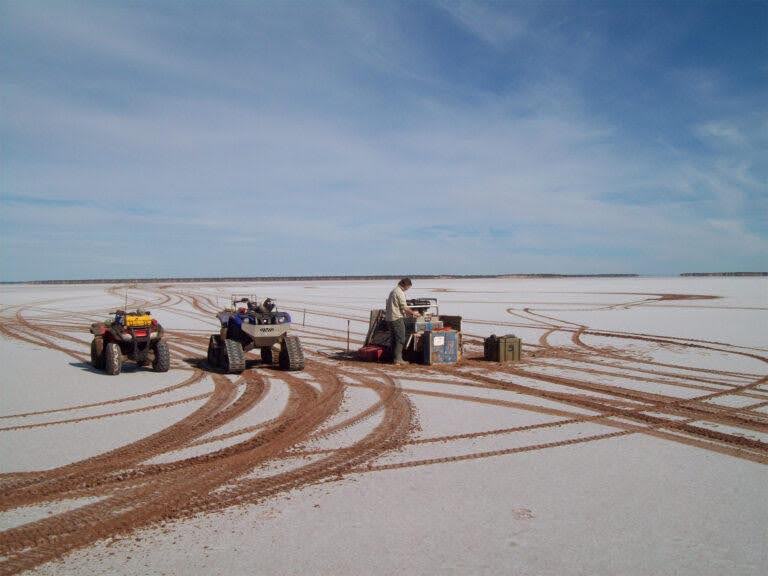
The resource spans two key zones, with the Northern Zone and the Central Zone both contributing high levels of TREO. Mineralisation is shallow, laterally extensive and consistent, supporting potential bulk-tonnage open pit extraction methods.
Mr Caird commented:
“The result confirms a large-scale, shallow, multi-element critical mineral system with excellent geological continuity and clear scope for expansion.”
High-Value Heavy Rare Earth Composition
The Mount Ridley resource includes significant quantities of high-value heavy rare earths, including dysprosium and terbium, alongside strong magnet rare earth grades of neodymium and praseodymium.
Importantly, rare earth mineralisation occurs within the same regolith system as existing scandium and gallium resources, supporting a multi-commodity development pathway.
Mr Caird commented:
“Importantly, HREE mineralisation sits within the same regolith profile as our gallium and scandium resources, underpinning a highly attractive theoretical basket price and reinforcing Mount Ridley as a genuinely multi-element critical minerals project.”
Significant Exploration Upside
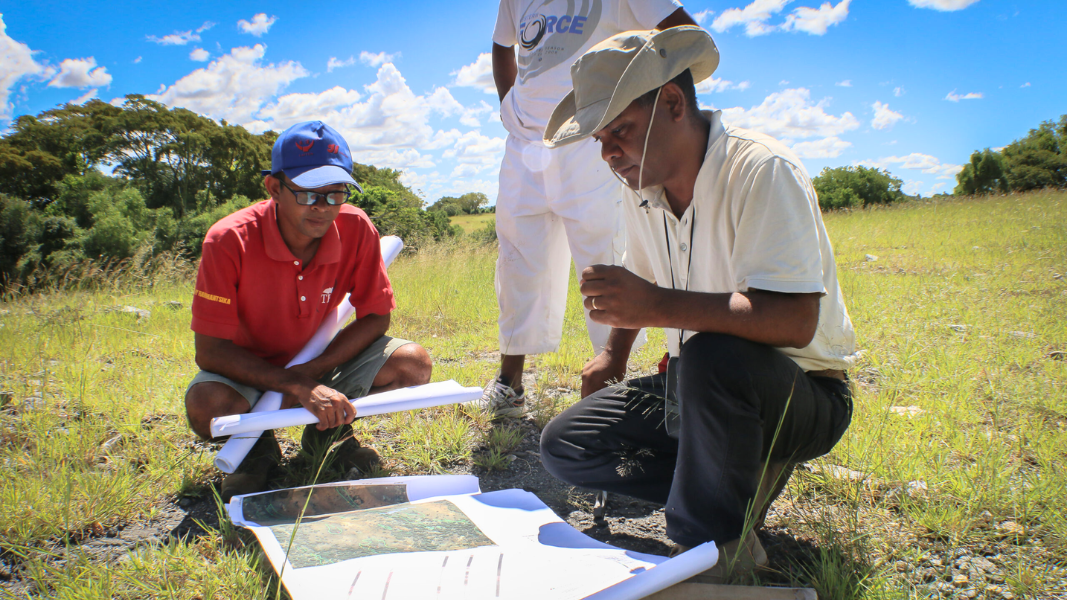
More than 80% of the Mount Ridley tenure remains untested, with multiple geophysical target corridors identified for further exploration. Additional work is planned to expand and upgrade the resource, with a focus on delineating higher-grade heavy rare earth zones.
Mr Caird commented:
“There is clear potential to expand and upgrade the existing resource base through re-assaying of our extensive sample library and targeted drilling, with more than 80% of the tenure remaining untested and multiple geophysical target corridors already identified.”
Positioned for Strategic Supply Chains
The project’s scale, grade and high heavy rare earth content position it to support emerging Australian and allied critical mineral supply chains. The company continues to prioritise heavy rare earths as the primary revenue driver, with scandium and gallium treated as valuable by-products.
Mr Caird highlighted Mount Ridley’s leverage to strong demand for HREs:
“As global supply chains increasingly prioritise secure, allied sources of critical minerals, Mount Ridley is well positioned to integrate heavy rare earths into our broader scandium and gallium development strategy and unlock the full value of this unique multi-commodity system.”

Latest posts by Tim Grey (see all)
- AML3D announces stronger FY26, with positive EBITDA reported in the second half - September 1, 2026
- Imagion Biosystems Advances MagSense® Phase 2 Trial - August 27, 2026
- Acrux-developed Menopause Hormone Therapy to enter Australian market - May 28, 2026

Leave a Comment
You must be logged in to post a comment.